

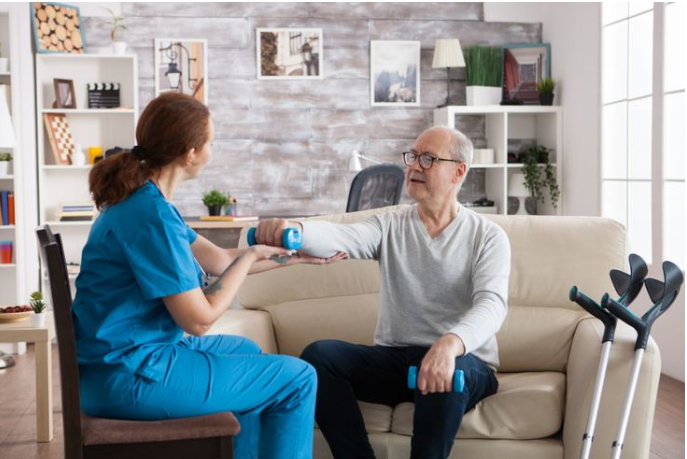

Modern healthcare is shifting. It’s moving away from sterile hospitals and long waiting rooms. Today, comfort, dignity, and personal attention matter more. One approach that beautifully aligns with this shift is at home care. It brings professional health services to a patient’s doorstep—transforming their daily experience and quality of life.
Personalized Support Builds Emotional Strength
Every patient is unique. Their conditions, personalities, routines, and emotional needs all vary. At home care makes it possible to tailor support based on the individual, not just the illness. Patients are no longer numbers on a chart—they’re treated with the attention they truly deserve.
This personal connection eases anxiety. It helps those dealing with chronic illness or age-related decline feel seen and heard. When emotional wellness improves, so does physical health. That’s one of the quiet superpowers of this care model.
Familiar Environments Encourage Healing
The environment we live in deeply affects how we heal. Being surrounded by familiar sights, smells, and people makes patients feel safe. Their favorite chair. Their own coffee mug. Their pet curled beside them on the couch. These little comforts are not trivial—they’re healing.
The at home care allows patients to remain in the center of what they know and love. This reduces stress and supports faster recovery. Familiarity becomes a kind of medicine, and it’s delivered daily in their own homes.
At Home Care Reduces Unnecessary Hospital Visits
At home care, also known as in-home health support, provides medical services where patients live. It includes skilled nursing, therapy, and personal care—all delivered in the comfort of one’s home. Because patients are regularly monitored, small health concerns can be addressed before they grow serious. In turn, this reduces emergency room visits and prevents hospital readmissions.
Fewer hospital stays mean fewer disruptions. Life continues, meals are enjoyed at home, and routines stay intact. That continuity makes a huge difference for both physical stability and peace of mind.
Routine Enhances Independence With At Home Care
One overlooked benefit of at home care is its support of independence. When people receive care in their own homes, they’re more likely to participate in their daily activities. They can walk to their kitchen, dress how they choose, and eat meals at their own pace.
This level of autonomy boosts confidence. It reminds patients they’re still in control of their lives, even if they need some help. For older adults especially, maintaining independence is tied closely to mental health. At home care nurtures that spirit. It gives help without taking away freedom.
Long-Term Comfort Brings Stability
Consistency matters, especially for patients with ongoing medical needs. At home care brings the same caregivers regularly, which builds trust and a sense of security. Patients feel more relaxed when familiar faces arrive to help.
This kind of steady relationship helps caregivers spot changes quickly. A small shift in appetite. A little extra fatigue. Those details, when caught early, can change the course of care. Stability, comfort, and familiarity make all the difference over time.
Conclusion
At home care is more than just a service. It’s a bridge between medical expertise and daily life. It transforms the experience of illness or aging into one that values comfort, respect, and independence. With personalized attention and familiar surroundings, patients feel more in control and more connected to those around them.