

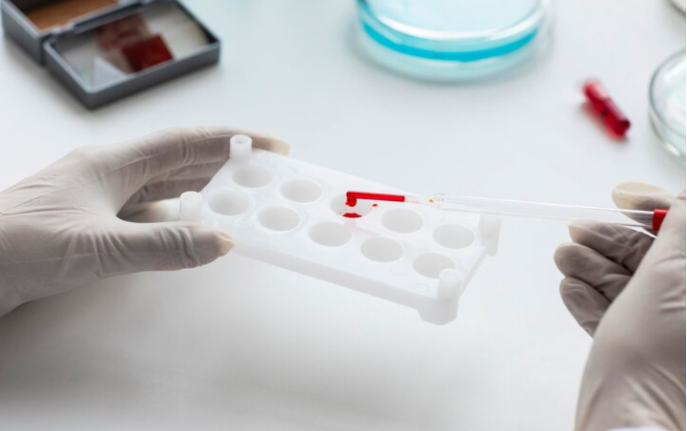

Chronic wounds are wounds that do not heal in the normal time expected by the body. They can continue for weeks or even months and often return even after treatment. One of the main reasons these wounds become difficult to heal is the presence of hidden infections. These infections are not always visible on the surface, which makes them harder to diagnose with a simple examination. This is where wound pathogen testing plays an important role. It helps healthcare professionals find the exact bacteria or microorganisms causing infection inside the wound. With accurate results, doctors can choose better treatments and improve healing outcomes for patients.
Understanding Chronic Wounds and Hidden Infections
Chronic wounds include conditions such as diabetic foot ulcers, pressure sores, and venous leg ulcers. These wounds often develop in people with poor blood circulation, weak immunity, or long-term health conditions like diabetes. While the wound may look mild on the surface, bacteria can grow deep inside the tissue. These hidden infections slow down healing and may even make the wound worse over time. In many cases, standard visual inspection is not enough to detect the real cause of infection.
What Is Wound Pathogen Testing
Wound pathogen testing is a laboratory method used to identify microorganisms present in a wound. A small sample is collected from the affected area and analyzed in a lab. This test helps detect bacteria, fungi, or other pathogens that may be causing infection. Unlike basic observation, wound pathogen testing provides detailed and accurate information about the type of infection present. It also helps determine how strong or resistant the infection might be against common antibiotics.
How It Identifies Hidden Infections in Wounds
One of the key advantages of wound pathogen testing is its ability to detect infections that are not visible on the surface. Sometimes a wound may look clean, but harmful bacteria can still be active inside the tissue layers. The test identifies these hidden microorganisms by studying the sample under controlled laboratory conditions. It can also show whether multiple types of bacteria are present at the same time. This detailed insight allows doctors to understand the full picture of the infection rather than relying on external signs alone.
Benefits for Treatment and Recovery
Wound pathogen testing helps doctors choose the most effective treatment plan. Instead of using general antibiotics, healthcare providers can select medicines that specifically target the identified bacteria. This improves the chances of faster healing and reduces the risk of antibiotic resistance. It also helps prevent unnecessary treatments that may not be effective. In the long run, patients experience better recovery outcomes, reduced pain, and fewer complications. The use of wound pathogen testing also supports more personalized care for each patient based on their specific infection type.
Why Early Detection Matters
Early detection of infection is very important in chronic wound care. If infections are not treated in time, they can spread deeper into the tissue and even reach the bloodstream in severe cases. This can lead to serious health risks and longer healing times. Wound pathogen testing allows doctors to identify problems early, even before major symptoms appear. This early insight helps in starting the right treatment quickly, reducing complications, and improving overall patient safety.
Conclusion
Wound pathogen testing is a valuable tool in modern wound care. It helps uncover hidden infections that cannot be seen through normal examination and provides detailed information about the exact cause of the problem. By using this testing method, healthcare professionals can design more accurate treatment plans and support faster healing of chronic wounds. In many cases, it can make the difference between slow recovery and successful long-term healing.