


Good health isn’t just about avoiding illness—it’s about thriving physically, mentally, and emotionally. In an age of quick fixes and fad diets, it’s easy to get caught up in trends that promise fast results but deliver little long-term benefit.
Achieving better health the right way means making intentional, sustainable choices that support your whole body over time. From nourishing your gut to considering traditional approaches, here’s how to truly take control of your well-being.
Focus on Whole Foods and Hydration
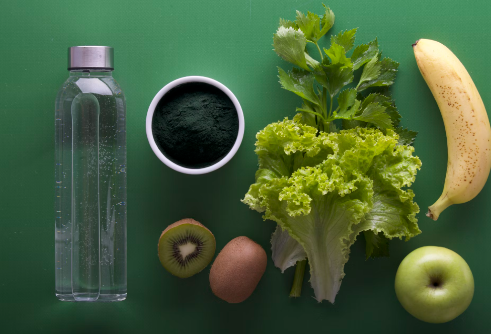
At the core of good health is proper nutrition. Instead of obsessing over calorie counts, shift your focus to the quality of your food. Choose whole foods—fruits, vegetables, whole grains, nuts, seeds, and lean proteins—that provide essential vitamins, minerals, and fiber.
Avoid heavily processed foods with added sugars, chemicals, and artificial ingredients. Drinking enough water is equally important. Hydration supports everything from digestion and metabolism to brain function and energy levels. A well-nourished, well-hydrated body is better equipped to heal, function, and thrive.
Support a Healthy Gut Microbiome
Your gut microbiome plays a critical role in digestion, immune defense, and even mental health. This complex network of beneficial bacteria helps your body absorb nutrients and maintain balance. To support a healthy gut, include fiber-rich foods, fermented products like yogurt, kefir, kimchi, or sauerkraut, and limit antibiotics unless medically necessary.
Avoiding excess sugar and stress can also help maintain microbial balance. A flourishing gut microbiome contributes to fewer digestive issues, stronger immunity, and better mood regulation.
Incorporate Movement and Rest in Equal Measure
Exercise is essential for cardiovascular health, muscle strength, and mental well-being. But overexertion without recovery can backfire. Find a movement routine you enjoy—whether it’s walking, swimming, dancing, or strength training—and commit to it regularly. Just as important is quality sleep and downtime. Rest is when your body rebuilds, recharges, and resets. Prioritizing 7–9 hours of restful sleep each night and building in time to relax helps prevent burnout and supports long-term vitality.
Explore Holistic and Traditional Approaches
Modern medicine offers incredible tools, but traditional systems like Chinese medicine can provide valuable insights into chronic and complex conditions. For example, in cases such as Lyme disease, many patients find complementary support through chinese medicine lyme disease, which focuses on restoring the body’s natural balance and strengthening immune function using acupuncture, herbal formulas, and energy work. Exploring these methods with qualified practitioners can offer a more personalized, integrative path to healing—especially when conventional treatments alone aren’t enough.
Cultivate Mental Clarity and Emotional Balance
Your mind and emotions are deeply linked to your physical health. Chronic stress, anxiety, or unresolved emotional trauma can show up in the body as fatigue, inflammation, or disease. Practices like mindfulness, meditation, deep breathing, journaling, and even therapy can help process emotions and bring clarity. Reducing screen time and reconnecting with nature or loved ones also fosters a deeper sense of calm and connection—key elements of long-lasting health.
By building habits that honor both science and tradition, you create a lifestyle that not only prevents illness but encourages your best self to emerge. True health isn’t about extremes—it’s about consistent care and intentional choices.